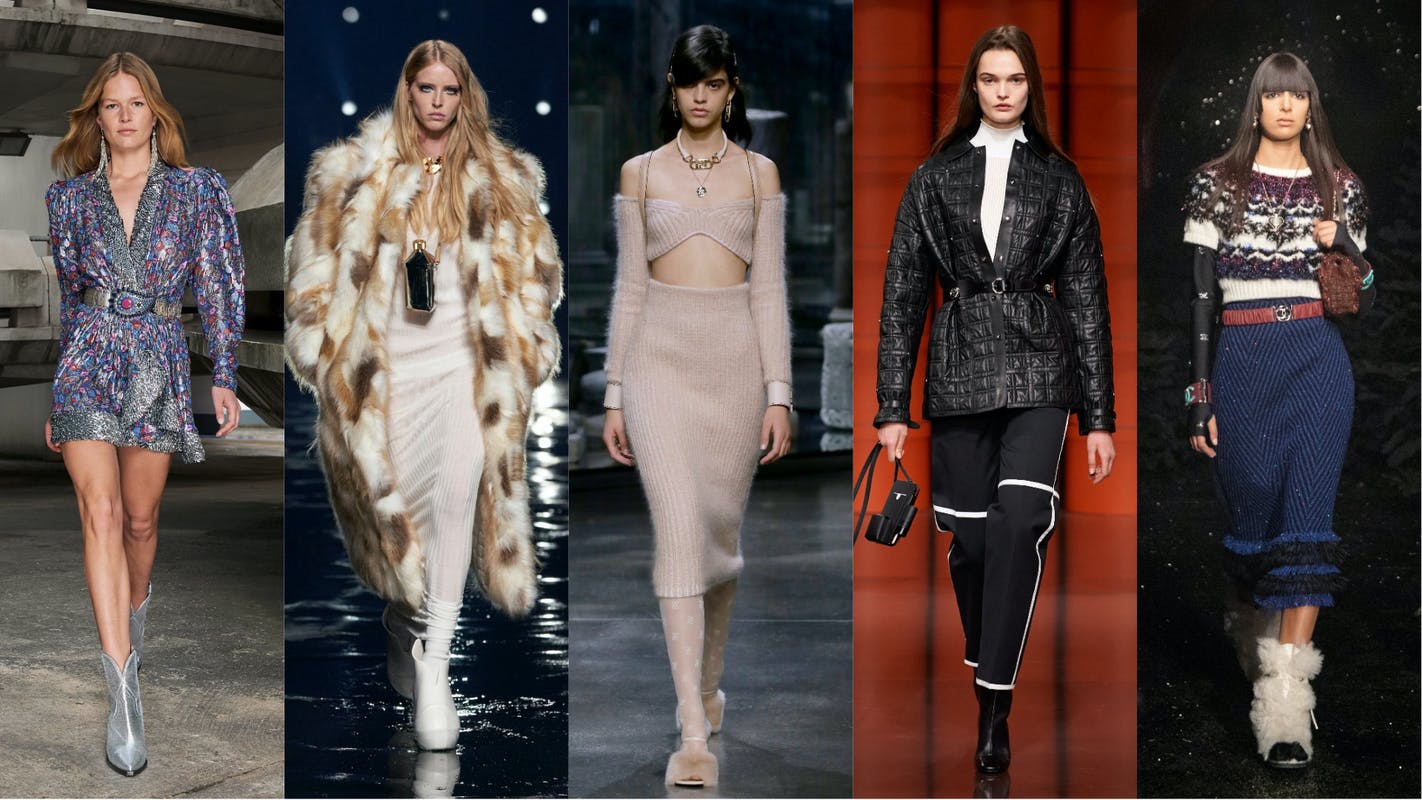
Fashion forecasting is a global career that focuses on upcoming trends.
A fashion forecaster predicts the colours, silhouettes, fabrics, textures, materials, prints, graphics, beauty/grooming, accessories, footwear, street style, and other styles that will be presented on the runway and in the stores for the upcoming seasons.
Fashion forecasting needs to be done in a systematic way. Steps involved in fashion forecasting are-
- Studying market conditions – how the consumers buying behavior is influenced by society, economics, technology & the environment.
- Understanding the seasons, whether the trends are being worked upon for Spring/ Summer or Fall/ Winter.
- Studying trends as per the selected season and a closer look on the markets that are being catered.
- Noting the lifestyles of the customers.
- Feedbacks of customers.
- Understanding the zeitgeist of past fashion.
- Observing “street fashion” & what celebrities are wearing.
- Keeping up with the latest events, media, arts and the mood of the public.
- Surveying Fashion publications, catalogs, magazines & fashion websites.
- Understanding the demography of that particular area.
- Evaluating popular designer collections.
- Very importantly, deciding on the product category.
Bottom up forcasting– Bottom-up forecasting is a method of estimating a company’s future performance by starting with low-level company data and working “up” to revenue. Today, trend forecasters are more likely to look at influencers, street style, and blogs for information on the latest trends.
Long term forecasting (over 2 years ahead) is used by executives for corporate planning purposes. It is also used for marketing managers to position products in the marketplace in relationship to competition.
Short term forecasting is used by product developers, merchandisers and production managers to give style direction and shape collections. For short term forecasting most apparel companies subscribe to one or more services, whose job is to scan the market and report on the developments in colour, textiles and style directions.
Fashion Forcasting companies…
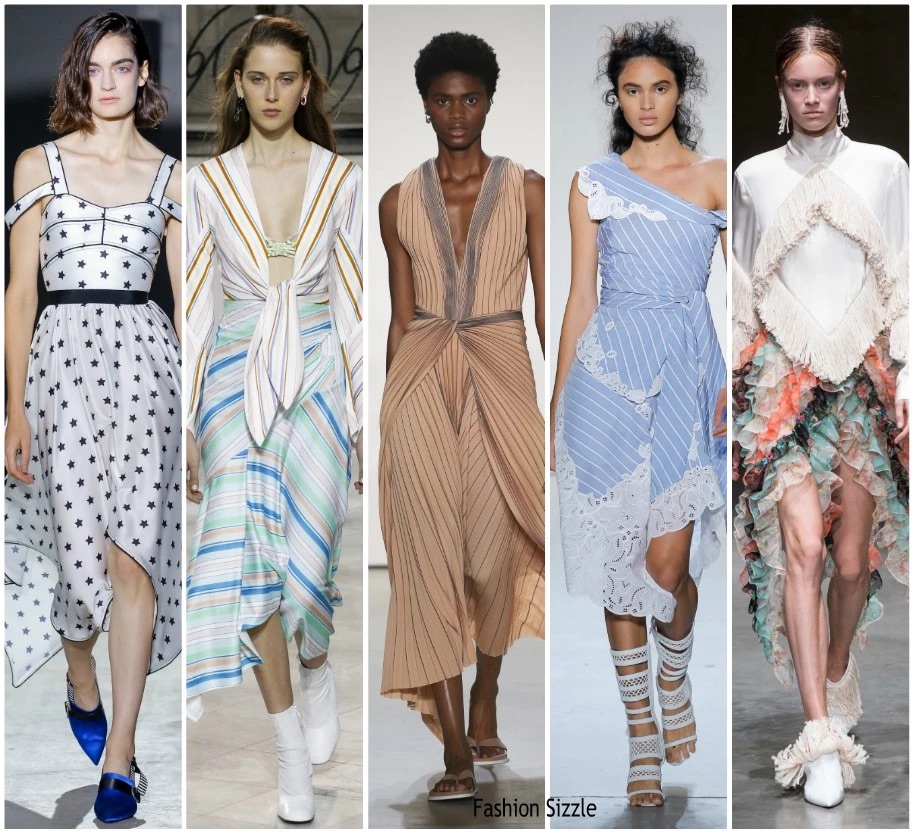
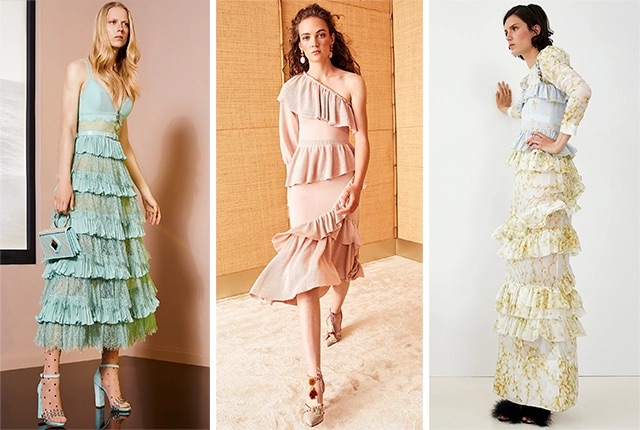
The agencies primarily act as a medium that forecasts colours and trends, in advance of the current season. Their teams look further into the future via consumer trend research and trend– spotting as a result, they predict fabrics, colour ways and fashion trends.
Vertical Intrigration– Larger companies have their own trend departments where they follow the styles, fabrics, and colors for the upcoming seasons. This is referred to as Vertical Intrigration. A company with its own trend department has a better advantage than those who do not because its developers are able to work together to create a unified look for their sales floor. Each seasonal collection offered by a product developer is the result of trend research focused on the target market it has defined for itself.
Analyising Trends…

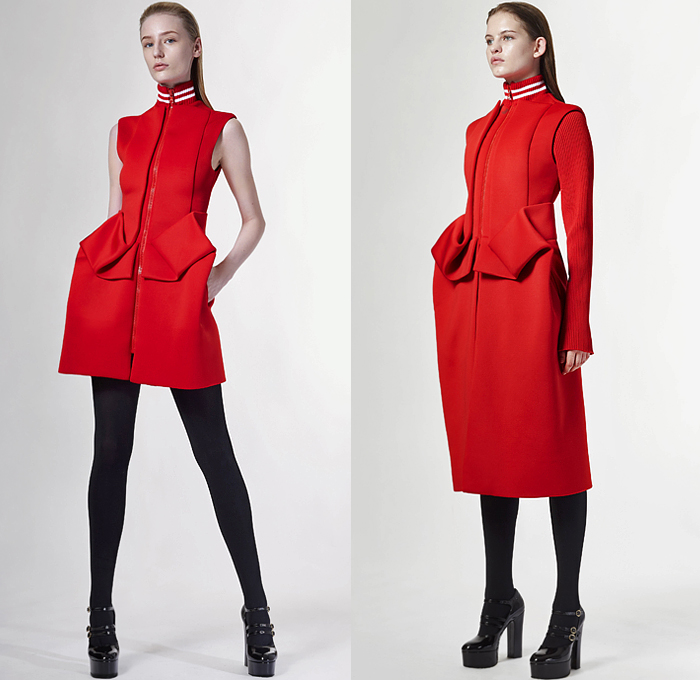
There are some factors to be kept in mind while analysing trends.
- Identity the product category & its competitors.
- Observing the styles, colours & trends that are widely used.
- Finding out and analysing the speciality.
- Traveling for International Fairs & Trade Shows.
- Visiting retail outlets.
- Compiling the Data & styles.
Major fashion forcasting sources are…
- Fashion websites-
- WGSN
- Promostyl
- Trendstop
- Fashion snoops
2. Magazines-
- Vogue
- Elle
- Bazaar
- Grazia
3. Social Media–
There are always ways you get to learn about trends and latest fashions through various sources like
Trend books,Fashion Vlogs, Fashion Blogs, Fashion Podcasts, Movies, Series, Ramp shows, etc
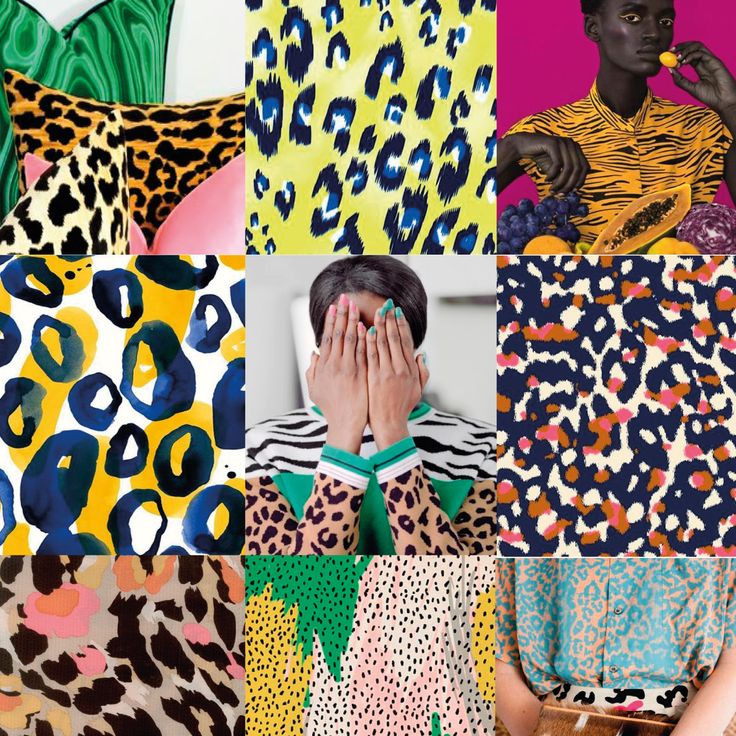
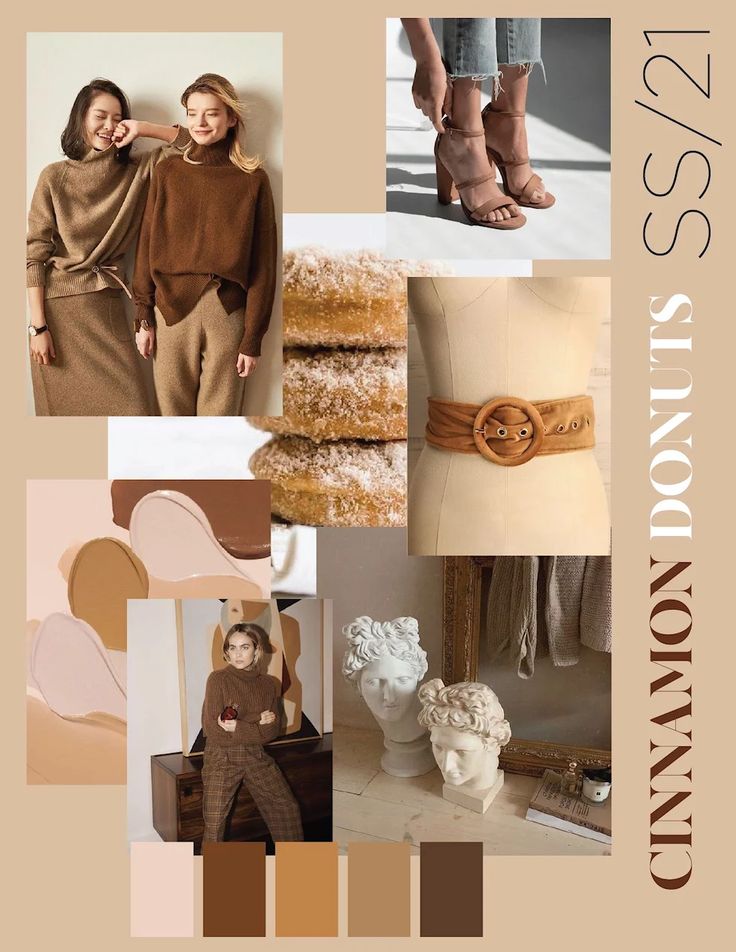
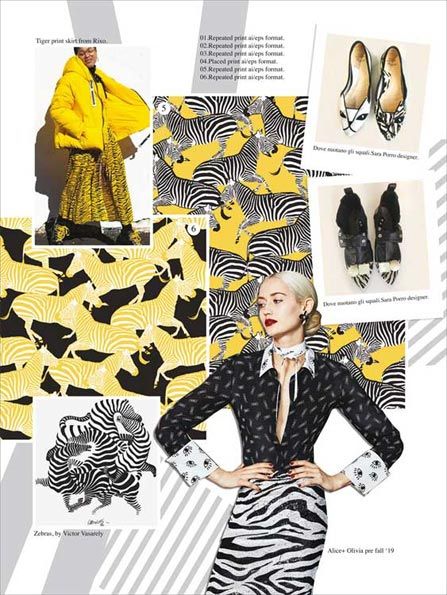
 Fashion&Styling
Leave a comment