
Sustainability is the hottest look today!
The first time I heard about sustainable fashion was on Sept. 10, when Gabriela Hearst unveiled what she said was the first carbon-neutral fashion show, which also featured upcycled prints from old collections. That was the same day the British Fashion Council introduced its Institute of Positive Fashion, which aims to create a coalition to set standards for green businesses.
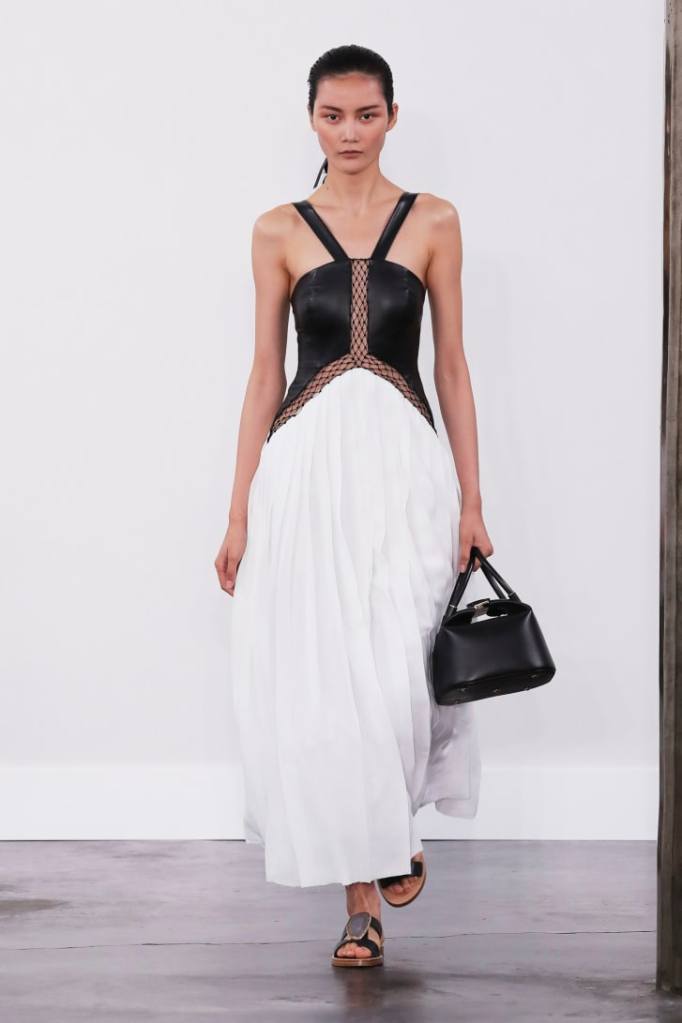
Hairdryers and hot tools were banned as the designer attempted to stage NYFW’s first carbon-neutral show. The models’ hair was slicked back in braids as they walked in Hearst’s cotton and wool-silk trenchcoats and box weave hemp dresses.
Two days later, Gucci announced that its show, too, would be carbon neutral, and it would also offset all carbon emissions from its operations and supply chain.
In Milan, Missoni handed out little solar-powered sunlights by Olafur Eliasson during its show, and the Green Carpet Awards capped off the city’s shows on Sept. 22, touting “the best in a sustainable fashion.”
What is sustainability?
The most acceptable definition in terms of fashion is “Sustainable fashion is an all-inclusive term describing products, processes, activities, and actors (policymakers, brands, consumers) aiming to achieve a carbon-neutral fashion industry, built on equality, social justice, animal welfare, and ecological integrity.“
The truth, in my opinion, is no clothing is 100% sustainable, but we can also not ignore the fact that there are ways to produce and consume fashion in a more prolonged course.
Consuming & producing fashion in a way that helps the environment, cutting down on waste production and restyling are some ways to take a step forward towards sustainable fashion.
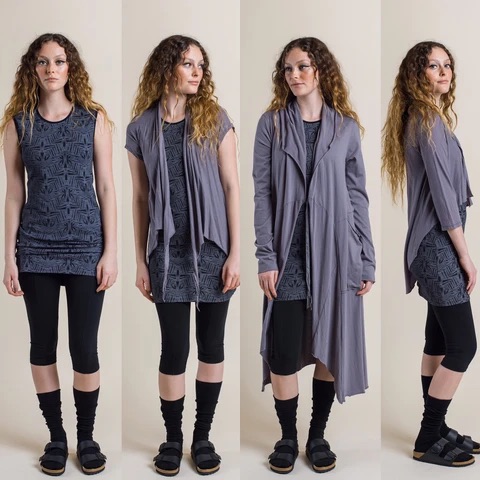
Taking responsibility for where our clothing is sourced, how the people who make our clothing are being treated, and where our clothes end up when we no longer need or want them can be a big step toward tackling climate change. Fashion is the perfect starting point if you’re looking for ways to live more sustainably.
Indians & Repurposing of materials...
Talking about sustainability and repurposing of materials for Indians remind me of my and almost every brown household where elder sisters clothes are later given to younger one, sometimes even passed down from generation to generation, not just clothes but even the baby blankets and cradles. All the Indian audience may agree to the fact that they have a a bag to keep all other plastic and paper bags to use and they have the habit of not throwing them. Each piece of cloth is used till it tears down completely in any possible ways; from making blankets and beds to using it has a floor wiping cloth, we Indians should be proud of adapting sustainability in fashion generations before it came into trend.
Another example of this can be the “Khandani jewellery or the ancestorial jewellery” passed down from generations to generations and used in the same form and worn proudly and respectfully.
Is Fast Fashion Culture to be blamed for unsustainable fashion???
The materials used to create fast fashion articles are largely to blame for the environmental impacts fashion has. For instance, polyester, one of the more popular fabrics in fast fashion, is derived from fossil fuels. When you wash polyester, the material sheds microfibers that contribute to increasing levels of plastic in the world’s oceans. Even more natural materials are still hazardous. Take cotton, for example. Though it’s sourced more naturally than materials like polyester, it still wreaks havoc on the environment, particularly when it’s used at a fast pace for fast fashion.
Growing materials for fast fashion places a massive strain on the environment. However, it can help us reduce soil quality and impact biodiversity.
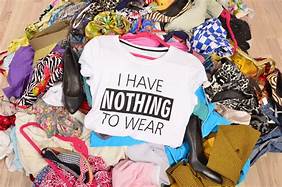
Fast Fashion is the 4th largest cause of environmental pressure.
What is Fast Fashion???
Wikipedia definition says,”inexpensive clothing produced rapidly by mass-market retailers in response to the latest trends.”
“Fast fashion” is a term used by fashion retailers to describe inexpensive designs that move quickly from the catwalk to stores to meet new trends.
Runway trends come and are produced in large quantities and hence sold at lower prices. This is a result of fast fashion, which is suitable to be blamed for unsustainability.
Good News…
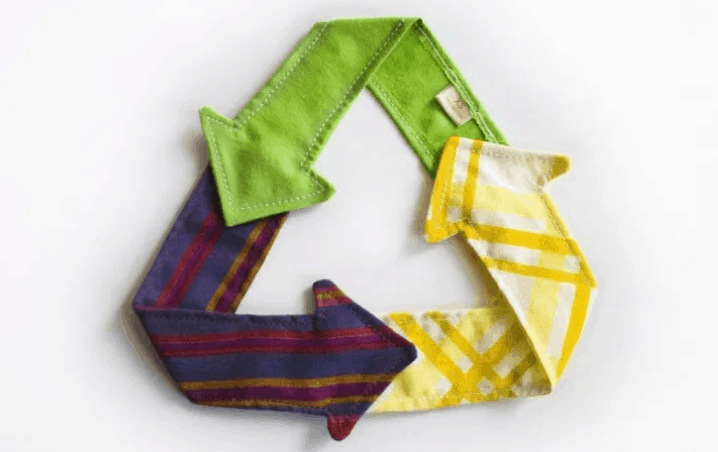
You aren’t doomed to participate in shortened life cycle of fashion forever.
More and more fashion companies are finding ways to ethically source clothing.
This will reduce harm to the environment & empower farmers & garment workers.
Ways to shift to sustainable fashion…
- Eco Friendly clothing- Look for businesses focused on green and clean fashion products also with less chemicals used to make those clothes.
- Promote slow fashion movement and adopting it.
- Vintage clothing- H&M encourages customers to recycle clothes from any brand & in any condition. Bringing old clothes to their stores in exchange for discount.
Sustainable Fashion Trends to look out in 2022…
- The Minimalist
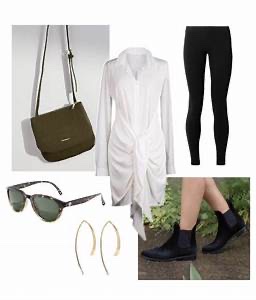
Minimalism is anything but new – the movement began back in the 1950s, according to records. However, the minimalist wardrobe only began being recognized as such over time. From a designer’s perspective, this style has very little to do with the function of a garment and a lot more to do with the fabric and its form. In the 21st century, from the eyes of a millennial, the minimalist wardrobe consists of cutting down to the bare minimum and keeping the essential garments.
- Algae apparel

Although considered slimy and unhygienic, algae(bacteria) is an attractive, sustainable resource in the fashion industry. Algae apparel consists of two components: microalgae(living) and bacterial cellulose(nonliving). Due to the combination of these two components, items made of algae are resilient, clean, and vibrant in colour.
Hemp garments
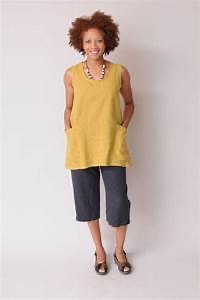
Cannabis is not only booming in the alternative medicine sphere, but it is also transforming the fashion industry. Hemp uses a lot less water than cotton and is much more durable than cotton – making it a much more desirable fabric for consumers who cherish durability. You can already tell, consumers are getting tired of buying items that last a season or less – and hemp apparel is for the long run.
- Recycled Hybrid Deadstock Plaid Fashion

Recycled fashion means the opportunity to design and wear one-of-a-kind items. This hybrid deadstock plaid-type of apparel may appear as if some random textiles were patched-up/knitted together. But with congruent patterns and colours, they end up conceiving vibrant and unique pieces. Plus, anyone at home with a bit of creativity, basic sewing skills, and a few pieces of reusable fabric(used cloth, patterned bandanas, etc.) could create their hybrid deadstock plaid outfit.
Fashion technologies for sustainable fashion production….
1. 3D Virtual Sampling
In the past, physical samples have been a necessity in the design and buying and selling lifecycle. These samples provide both designers and the retail buying teams an accurate representation of the product, but one finished style can require 20 or more samples before production. However, as 3D technology evolves, virtual sampling already enables a digital full line review which reduces waste in both design and product development. By 2021, all of Tommy Hilfiger’s design processes — from sketching through sampling and showrooming — will be done with 3D design. 3D virtual sample brings the same concept to a screen with virtually no waste during the process. Another significant advantage is cost reduction associated with the materials and time related to creating physical samples. Virtual sampling can also help to digitize a consumer-focused on-demand manufacturing model.
2. Alternative Textiles
Materials commonly used in clothing take considerable resources and often degrade slowly. For example, creating one cotton shirt requires the same amount of water as one person drinks in 2.5 years. On the other hand, synthetic materials like nylon and polyester use less water during production but emit dangerous greenhouse gases.
Some eco-friendly textile alternatives include recycled fibres and fibres extracted from agricultural waste products such as leaves and rinds.
These new textiles offer options that produce less waste during production, are long-wearing and biodegradable. Natural fibres like hemp, bamboo, and ramie are widely used as cotton alternatives. Brands like COS and H&M choose cupro, as it is produced from cotton linter, waste from a cotton plant through a closed-loop technology.

3. Automation and Fashion on Demand
Fast fashion businesses and mass production models have contributed to vast amounts of waste and returns. Marketers pushed mass consumption on consumers, and this mindset fueled this model over the 1990s and 2000s. But as the rise of e-commerce and social commerce over the last decade has created an entirely new business model, consumers are now in the driver’s seat, and they care a lot about both personalized experiences and the planet. As a result, on-demand design and manufacturing will play a significant role in the future of fashion. Instead of producing clothes and then selling them, the items are ordered then produced. While today single and small batch production costs more to manufacture, automation and innovation in manufacturing combined with the money saved with reduced returns and guaranteed sales will offset these costs over time.
4. Virtual Dressing
When consumers purchase clothing online or in the store, the only way to discover how the garment truly fits is to actually try it on. Unfortunately, the item often doesn’t offer the exact fit as a model on the website or mannequin in the store. Essentially, trying on clothing to see whether it fits is little more than a data exchange. A consumer has a specific set of dimensions, and so does an item of clothing. Unfortunately, until recently, the cumbersome act of trying on multiple sizes was the only way to exchange this data.
Evolving 3D technology is radically changing the process, digitizing what used to be a very physical, manual process through an exchange of fit information via a digital platform. With thousands of data points to create a three-dimensional image, mobile 3D body scanning empowers consumers to immediately determine how clothes fit them. Virtual dressing from Farfetch in Snapchat is the best example.
Fortunately, trend of sustainable fashion started becoming a necessity after 2019, as the pandemic took over the entire world. With more and more people accepting it and working towards a culture of sustainability, this is one trend that won’t and should not be either casually thrown away.
 Fashion&Styling
Leave a comment